
What Is the 9x12 Method? The Definitive Guide [2026]
Learn what the 9x12 Method is, how shared postcard marketing works, and how operators earn $5,100-$15,300/month helping local businesses advertise together.
Here's the thing. While everybody is zigging towards AI, drop shipping, crypto, and whatever the next shiny object is — a quiet group of regular people are building real, profitable businesses doing something that has worked for decades.
Mail. Specifically, a 9x12 inch postcard that lands in 5,000 mailboxes and pays for itself ten times over.
This is the 9x12 method, and it's the simplest business I've ever built. Full transparency — I'm the founder. I built it. I run it. And I'm going to tell you exactly how it works, what the numbers actually look like, and whether it's something you should even consider. No guru nonsense, no "secret system," no countdown timer on a sales page. Just the real thing, the way I'd explain it to a friend over coffee.
Let's get into it.
What the 9x12 method actually is
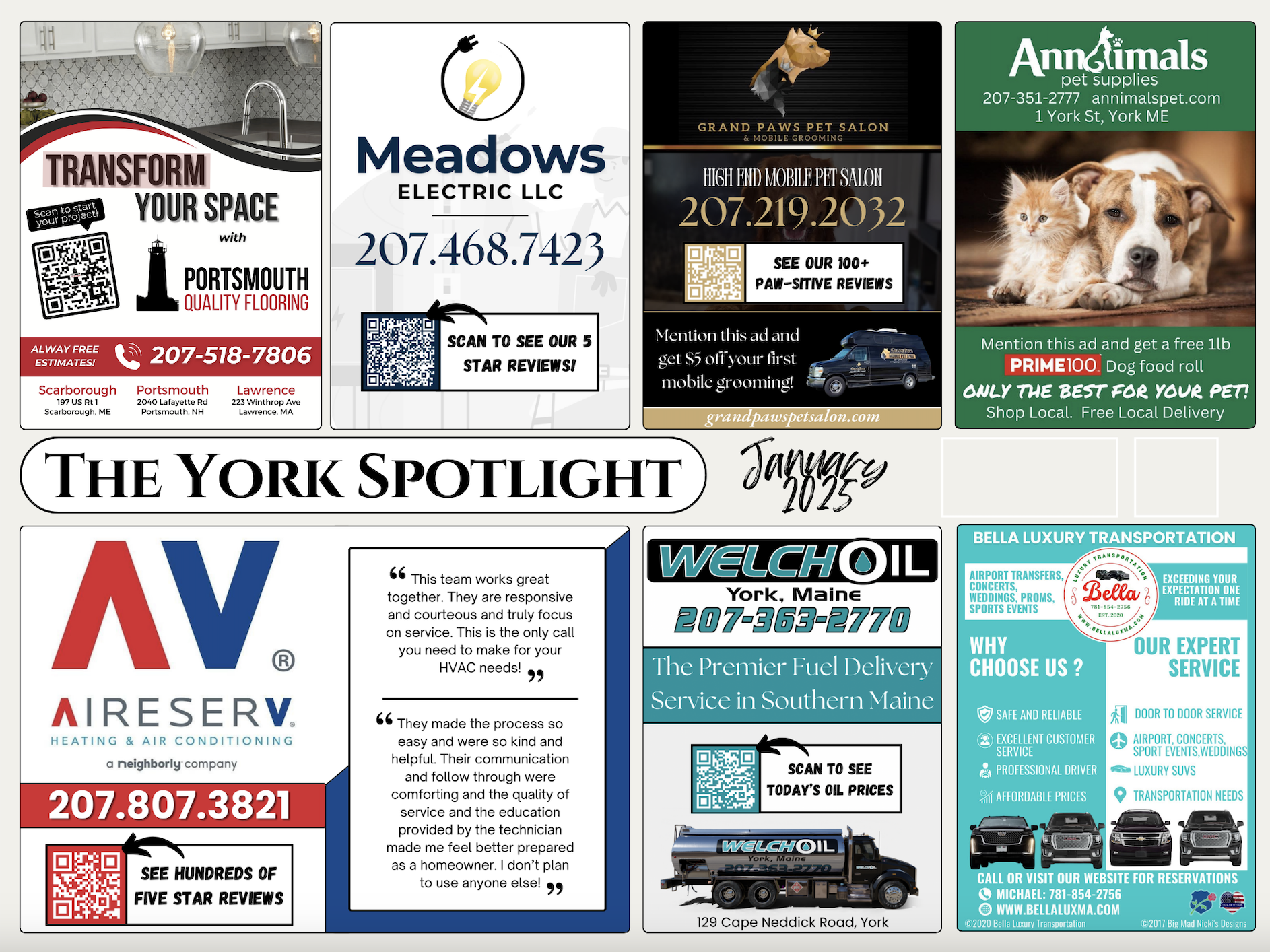
At the most basic level, the 9x12 method is a shared postcard marketing business. You take one big 9x12 inch postcard — the biggest thing anyone ever gets in their mail — and you sell ad slots on it to local businesses. Each slot is $500. There's about 16 slots per card (8 on each side). You collect all the money upfront before you pay for anything, then you print the card and mail it to 5,000 homes via USPS.
That's it. That's the whole model.
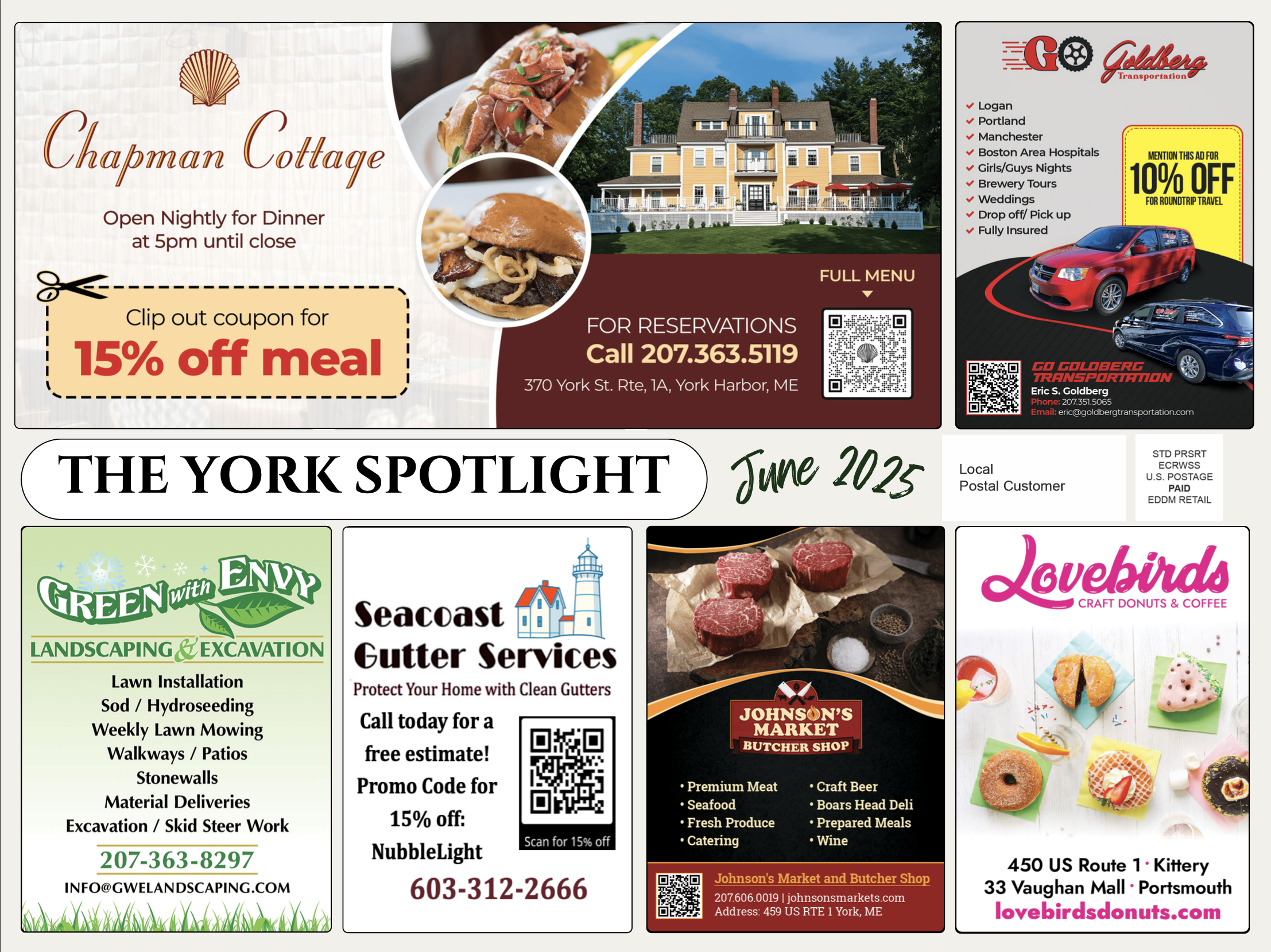
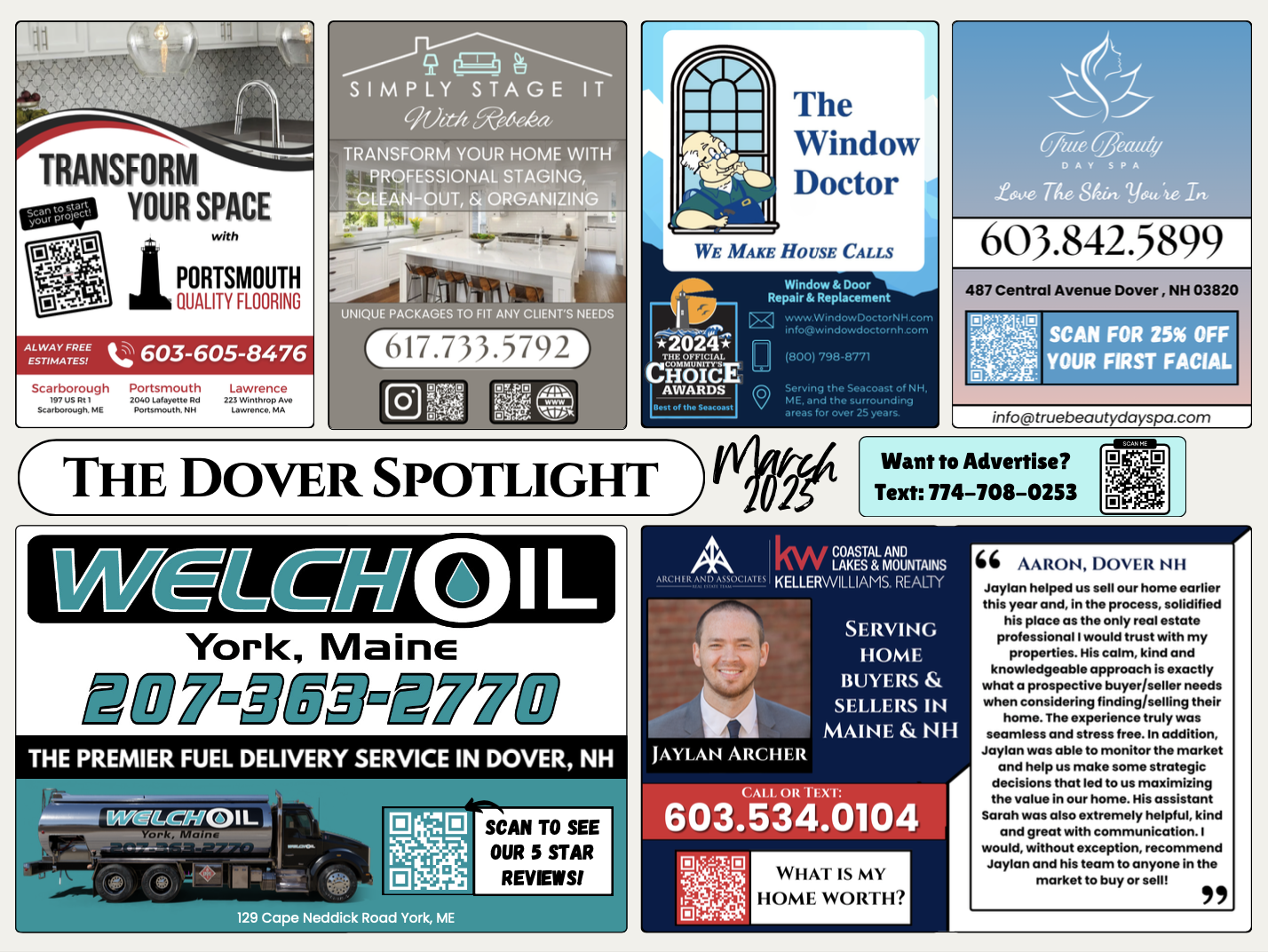
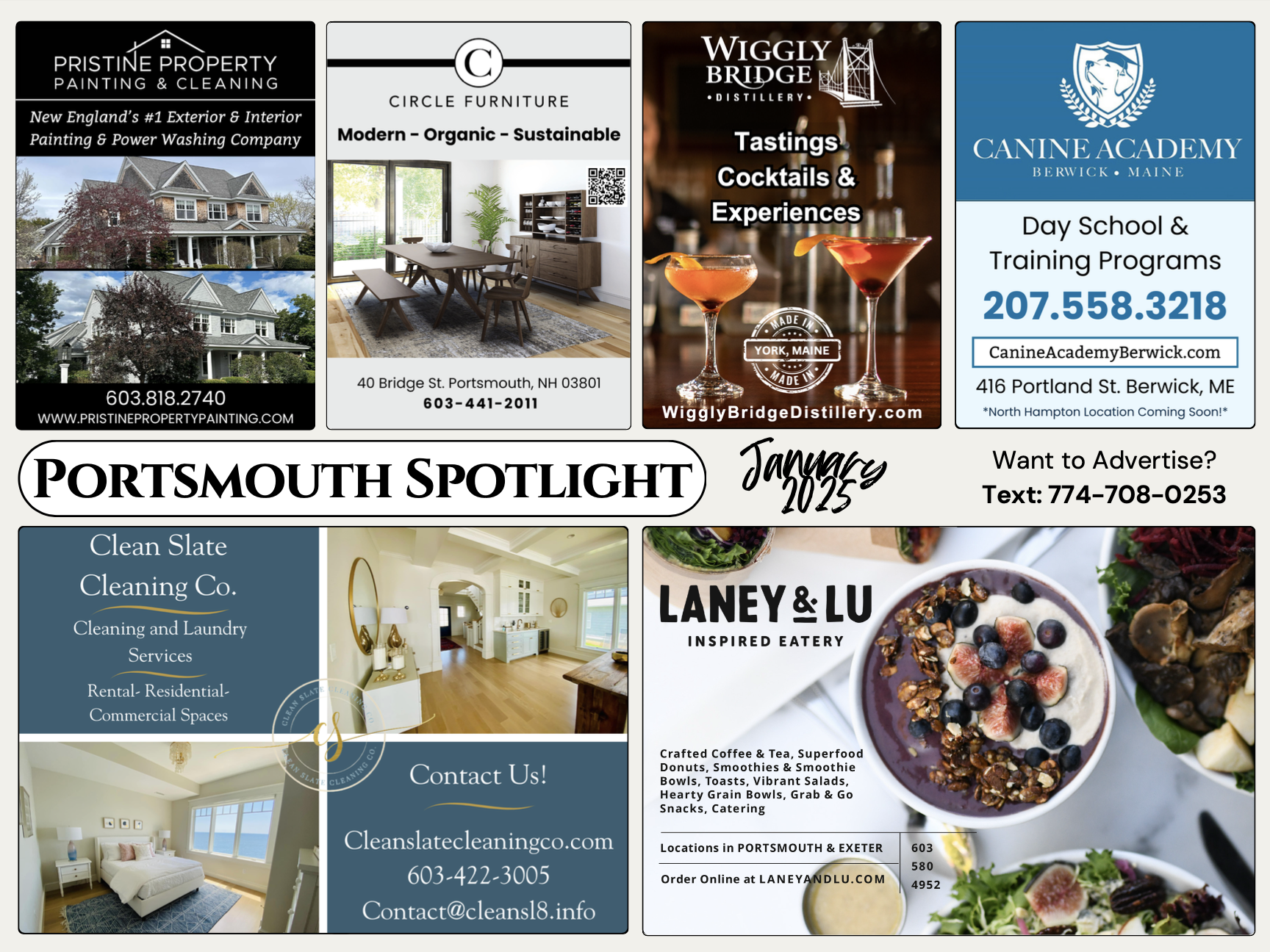
This is what one actually looks like. Sixteen local businesses, one big card, 5,000 mailboxes. Every slot is a paying advertiser.
You're not a salesperson. You're not running funnels. You're not chasing clicks. You're a community connector — you help local businesses split the cost of advertising so they can each reach 5,000 mailboxes for a fraction of what a solo mailer would cost them. Everybody wins.
The beauty of this is that direct mail has been around forever and it keeps working, because it's physical. It doesn't land in a spam folder. Nobody's unsubscribing from their mailbox.
The 9x12 format specifically just dominates — it's almost three times the size of a normal postcard. You literally can't miss it when it shows up.
The numbers (the only part that really matters)
I'm going to lay this out real simple, because the numbers are honestly the reason this works.
So one card is a clean $5,100 in profit, all-in. That's after print, mailing, and dropping it at USPS. Two cards a month gets you north of $10,000. Three gets you past $15,000. That's the whole scale path. There's no level 47 you have to unlock.
How USPS EDDM makes this possible
EDDM stands for Every Door Direct Mail. It's a USPS program that lets you mail a piece to every home on a route without needing mailing lists, names, or addresses. You pick the routes on a map, hand the stack to your local post office, and they deliver it.
Here's why this is the magic ingredient:
- No list needed — USPS handles the targeting by route, not by individual address
- Flat postage — ~22¢ per piece, same price whether it's a small flyer or a 9x12 monster
- Massive reach — one card with ~16 advertisers blankets 5,000 homes in a single drop
- Proven channel — direct mail has a 4.4% response rate vs 0.12% for email
You go to eddm.usps.com, pick your town, select the routes you want (targeting higher-income neighborhoods where possible), and you're done. It's honestly one of the easiest parts of the whole process.
The community card — the faster, smaller cousin
If $500 a slot sounds intimidating, or you want to move faster on your first couple deals, there's a smaller version I teach called the community card. Here's how the two compare side by side.
The community card is 6"×11", mails to about 2,500 homes instead of 5,000, and slots go for $250 instead of $500. The design is templated — think coupon-style boxes — so it's a less intimidating sell for advertisers and a less intimidating build for you. Print + fulfillment is a flat $1,400 through print.9x12method.com, so your all-in profit per community card is a clean $2,600.
Who this actually works for
I'm nothing special. So if you're nothing special too, then you're special for this business. That's the honest truth. This business rewards consistency, not talent.
Here's who it works best for:
- Side hustlers — anyone with a day job who wants to start something on evenings and weekends
- Existing operators — small business owners who want a second predictable revenue stream
- Connectors — people who like talking to local owners and don't mind a little hustle
- Smaller markets — towns of 15,000–100,000 people work best, not big cities
- Patient closers — folks willing to follow up 3–5 times before getting a yes
The seven channels operators use to fill cards
So how do you actually find 16 businesses? There are seven main channels, ranked roughly by what's working best in the community right now.
- Facebook groups — the #1 proven channel; post in local business and neighborhood groups
- Cold email — pull emails from Google Maps, send 5–30/day with a "Question." subject line
- Cold calling — frame yourself as a connector, not a salesperson; works once you stop apologizing
- Door-to-door — bring a sample card; conversion is insane when someone can hold it
- Facebook Live — go live on your personal profile, explain the card, watch DMs roll in
- Messenger and IG DMs — the "one-two combo" that turns email leads into real conversations
- Referrals — every business you sign becomes a source for the next one
You don't need to use all seven. Pick two that fit your personality and run them hard.
What to sell (and who to sell to)
Higher-ticket local services are your best bet. These are businesses where one new customer pays for the entire ad ten times over, which makes $500 feel like nothing. Focus your outreach on:
- Roofers
- HVAC companies
- Painters
- Landscapers and lawn care
- Window cleaners
- Dentists and orthodontists
- Chiropractors
- Car dealers, car washes, oil change shops
- Realtors
- Local franchises (Servpro, Two Men and a Truck, Jan-Pro)
Restaurants are hit or miss. Some crush it, some don't, depends on the market.
The pitch that actually closes
Here's roughly how I frame it — adapt this to your own voice:
"Hey, I'm a local business owner and I'm just trying to get a group of businesses together. We're splitting the cost of marketing on a huge 9x12 inch postcard — it's like a community mailer. Instead of junk mail, it's locally respected businesses with offers. It's non-competing, so if you join, you're the only [roofer / HVAC / painter] on the card. We're sending it to 5,000 homes."
Three value points, and stick to three:
- Reach — 5,000 homes for the price of reaching 500 solo
- Cost — fraction of a normal mailer's price
- Exclusivity — own your industry on the card for the month
That's the whole pitch. Notice I didn't say "ROI," "leverage," or anything that sounds like a guru wrote it. This is how you'd actually talk to a friend who owned a business.
Common objections (and how to handle them honestly)
"Does this actually work?" — Honest answer: "I can guarantee 5,000 homes see your ad. I can't guarantee they'll all become customers. But direct mail takes 5 or 6 touches before people act, and at $500 you're paying about 10 cents per household reached."
"I don't have $500." — Fine. Keep the conversation open. Tell them about the next card. Most advertisers come back around when they see the first one go out.
"I need to think about it." — Always. "Totally get it. One thing to keep in mind — I can only take one [their industry] on the card, so if you want the spot, let me know in the next few days."
"What if it doesn't work?" — "Honestly, most mailers don't work on the first send. Direct mail is a touchpoint business. What this does is put you in front of 5,000 homes at a price no solo mailer can match. It's a numbers game and a repetition game."
What you actually need to start
Almost nothing. That's the point.
- A phone and a laptop — you already have these
- A way to take payments — Stripe, Venmo, or PayPal; pick one
- A simple agreement — a Google Doc works fine to start
- A printer relationship — or use print.9x12method.com for flat-rate print + fulfillment ($2,900 for a 9x12 to 5,000 doors, $1,400 for a community card to 2,500 doors)
- A postcard designer — or $25/ad with a service like the one I run
- A CRM — so you don't lose track of follow-ups
Scaling from one card to $15,000/month
Here's the path I see most people walk.
- Step 1: Card #1. Hardest one. Takes about 30 days. You'll want to quit twice. Don't quit. This is the card where you learn the pitch and build your first proof point.
- Step 2: Cards #2 and #3. These come faster because (a) you have proof, (b) advertisers from card #1 renew and refer, and (c) you know the pitch cold.
- Step 3: 2–3 cards a month. Different towns, same playbook. This is where you hit the $10,200–$15,300 monthly zone.
- Step 4: Stack community cards. Layer in 6"×11" community cards alongside your 9x12 cards for monthly compounding revenue.
- Step 5: Geographic expansion. Either scale into more towns or hire a designer / sales VA to take more off your plate.
The ceiling is higher than this if you want to turn it into a real agency — but most operators in our community are perfectly happy at the $10K–$15K range running it themselves as a lifestyle business. This isn't a business you have to turn into a monster. It's a business you can keep simple and boring and profitable.
The community, and why it matters
Full transparency: I do have something to sell you. You totally don't need it whatsoever. You can probably figure all this out by reading this blog and doing the work. I don't make money either way if you decide to go it alone.
But here's what you get inside the 9x12 Method community on Skool — 2,800+ operators, $1.4M+ in documented revenue, scripts, templates, Canva designs, weekly coaching calls, and a group of real people doing the exact thing you're trying to do.
Don't join until you really know. Validate that this is something you actually want to do first, then decide.
If you're going to do it seriously, having a group of people running alongside you makes an enormous difference, especially when card #1 gets hard.
Frequently Asked Questions
How much does it cost to start the 9x12 method?
Zero upfront. Literally zero. You collect the $8,000 in ad revenue from your advertisers before you spend a dollar on printing or postage. The money from your first advertiser technically covers your first design, and by the time you have 6–8 advertisers you've already covered the print and mail cost for the whole card. You're never out of pocket unless you decide to be.
How long does it take to sell a 9x12 card?
For most beginners, about 30 days for the first card. After card #1, most operators report filling cards in 2–3 weeks because they have a track record and referrals. The community card version fills in about 2 weeks since the price point is lower.
Do I need any sales experience to do this?
No. Honestly, zero. The pitch is short and simple, the exclusivity angle does most of the selling for you, and you're not trying to close anyone on the spot. You're just asking local business owners if they want one of 16 spots on a card going out to 5,000 homes. Consistency beats talent every single time in this business.
Is the 9x12 method the same as EDDM?
Not exactly. EDDM is the USPS program we use to physically deliver the cards. The 9x12 method is the shared-cost business model that runs on top of EDDM. You could send a postcard with EDDM by yourself and just pay for it out of pocket — that's what most people try first and hate. The 9x12 method adds the "shared cost" layer.
What towns does this work in?
Towns with roughly 15,000 to 100,000 people tend to work best. You want enough businesses to sell 16 slots, but a strong community feel and real local identity. Big cities get diluted. Aim for a place with high business density and a 15-mile radius of prospects you can talk to in person if needed.
Can I do this alongside a full-time job?
Yes, and most people start that way. The work is mostly talking to business owners, which you can do over email, text, or phone on your breaks and evenings. Plenty of operators built this to $5K–$10K/month before quitting their day job.
Wrapping it up
The 9x12 method is boring. Postcards. Local businesses. USPS EDDM. Nothing flashy.
But boring businesses make people wealthy, and while everybody else is chasing the next AI side hustle, operators in our community are cashing $5,000 profit checks for mailing postcards. I'm not joking. Go read the wins channel.
If you want the full playbook, the scripts, the Canva templates, the weekly coaching, and 2,800+ people doing this alongside you — come join us in the community. If you want to figure it out on your own, that's totally fine too. Pick one channel, start talking to business owners, and just start.
Simple but not easy. Action equals results. The first card is the hardest, and every card after that is easier.
As always, I'm rooting for you.
Love you, bye-bye.
Ready to start your 9x12 business?
Join the 9x12 Method community for scripts, templates, coaching calls, and a group that celebrates every win — even your first one.
Course + community included · Cancel anytime · Full transparency: you don't need this to start
More from the blog
What Is a Community Card? The Complete Guide
Hey, real talk. If you just got one of these in your mailbox, or somebody pitched you a spot on one, or you heard the term on a video and had no idea what they…
How to Get Your First Postcard Sale (Start Warm)
Hey, real talk. Most people who never sell their first slot make the exact same mistake. They finish the training, open a spreadsheet, and start cold emailing…
How to Start a 9x12 Postcard Business: First Card Playbook
The biggest reason most people who learn about the 9x12 Method never actually run a card is overwhelm. They see all the moving parts — picking the…