
9x12 Postcard Side Hustle: Income Breakdown
Realistic income breakdown for the 9x12 postcard side hustle — from $5,100/month to $20K+. Honest numbers, real effort, no hype.

Most people researching a 9x12 postcard side hustle want one thing — the real numbers. Not the "I made six figures in my sleep" stuff you see on YouTube. The actual math, including the work it takes to get there. So that's what this post is. Full transparency — every dollar figure, every hour estimate, and every tier of income I'm about to share comes from real operators doing this right now.
I'm nothing special. I started this while working a day job. And I'm going to give you the same honest breakdown I'd give my buddy if he asked me "okay but how much can I actually make with this thing?"
The basic math behind a 9x12 card
Before we get into income tiers, you need to understand one card. Because everything scales from here.
A 9x12 postcard is a big, oversized mailer — 9 inches by 12 inches. You sell ad slots on it to local businesses. Each slot costs $500, and there are about 16 slots per card (8 on each side). You collect all the money before you print anything. Then you send it to 5,000 homes via USPS EDDM.
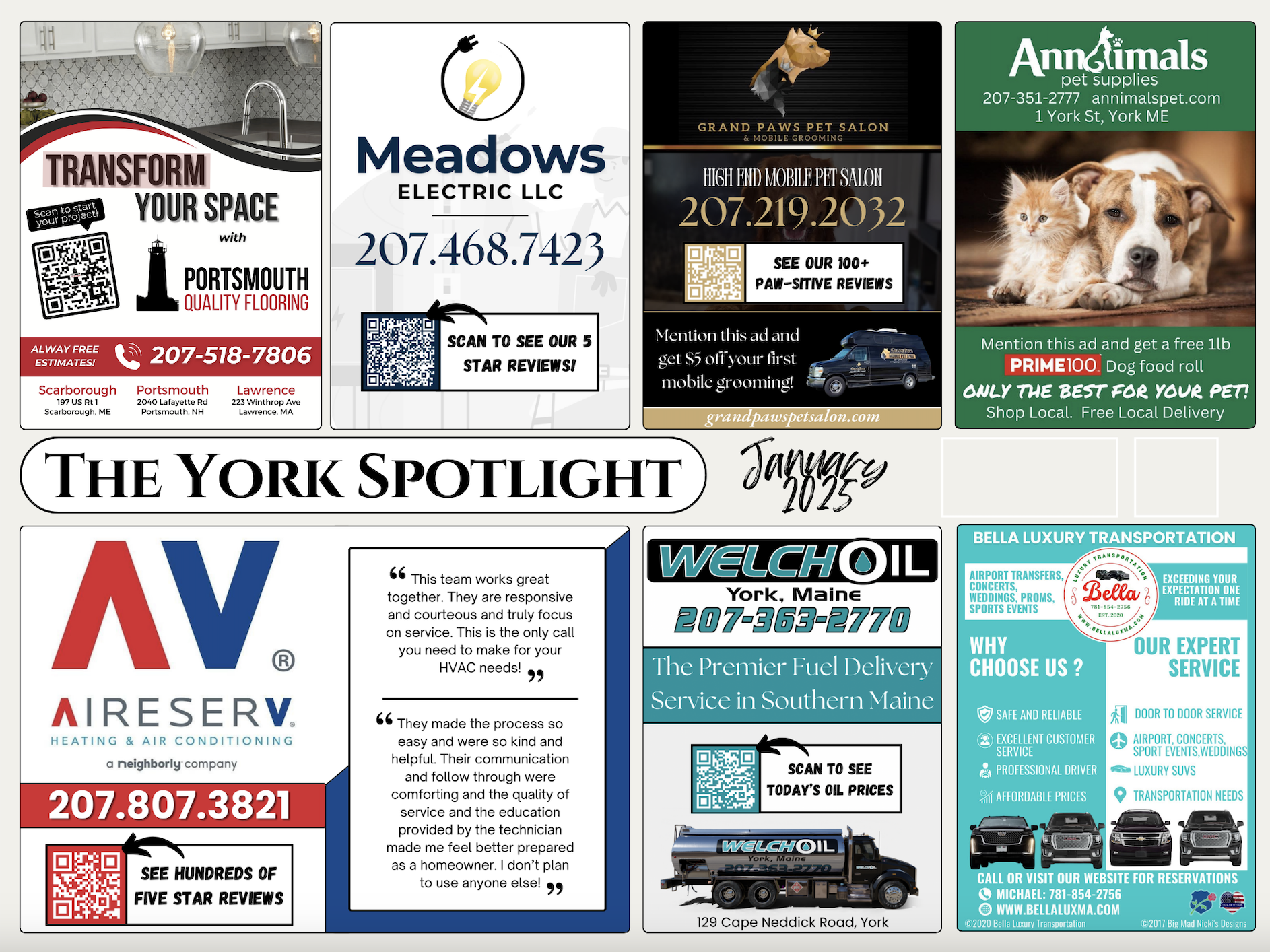
That's what you're actually selling. Sixteen local businesses on one card. Nothing complicated. Nothing techy.
That profit number is clean because we run flat-rate printing at print.9x12method.com. $2,900 for a 9x12 card to 5,000 doors — print, package, and drop at USPS. No negotiating with printers, no EDDM headaches.
Tier 1: Your first card ($5,100/month)
Here's the thing. Your first card is the hardest thing you'll ever do in this business. I need you to hear that. Most people want to quit twice during card one. That's normal.
You're cold-calling businesses, sending cold emails, maybe going door-to-door. You don't have a finished card to show yet. You don't have proof. You're basically asking strangers to trust you with $500 based on a mockup and your word.
That 50–100 contacts number is real. You're not closing 16 out of 16 pitches. It's a numbers game. You'll hear "no" a lot. You'll hear "maybe later" even more. But you only need 16 yeses out of all those conversations.
This tier is the proving ground. You're making $5,100 working 10–15 hours a week around your day job. That alone is life-changing for a lot of people. And honestly? Some people are perfectly happy staying right here.
Tier 2: Consistent operator ($10,200/month)
Once you've got that first card done, something clicks. You have proof. You have a real, finished card you can show the next prospect. Referrals start trickling in. The second card fills faster than the first. Always.
Most side hustlers land at this tier within three to six months. Two cards a month is ten grand. That's not pocket change. That's a second full-time salary for a lot of people, and you're doing it on the side.
The thing about this business is it compounds. Not your money — your reputation. Every card you mail is a billboard that proves you're legit.
The hustle at this level is mostly prospecting and follow-up. You've got the process down. You know what to say. You know which industries close the fastest (roofers, HVAC, painters, landscapers — home services are gold). You're running the CRM to track your pipeline and pulling leads from Lead Scout instead of manually Googling businesses.
Tier 3: Full-time income ($15,300/month)
This is where people start quitting their day job. Three cards a month at $5,100 profit each is $15,300. That's over $180,000 a year.
I'm going to be straight with you — not everyone gets here. And not everyone needs to. If you're making $10K a month on the side and you love your day job, there's no rule that says you have to scale. But if you do want to go full-time, this is the tier where the math makes it a no-brainer.
At 25–35 hours a week, this is a full-time gig. But it's your gig. No boss. No commute. No ceiling. And the work itself isn't complicated — it's the same process you already know, just more of it.
Tier 4: Stacking community cards ($18,000/month)
Here's where it gets interesting. On top of your regular 9x12 cards, you can run community cards — a smaller, faster format that fills in about two weeks instead of a month.
The community card is a 6" x 11" mailer to 2,500 homes. Smaller reach, lower price point ($250/slot instead of $500), but way easier to sell and way faster to fill. Think of it as a volume play.
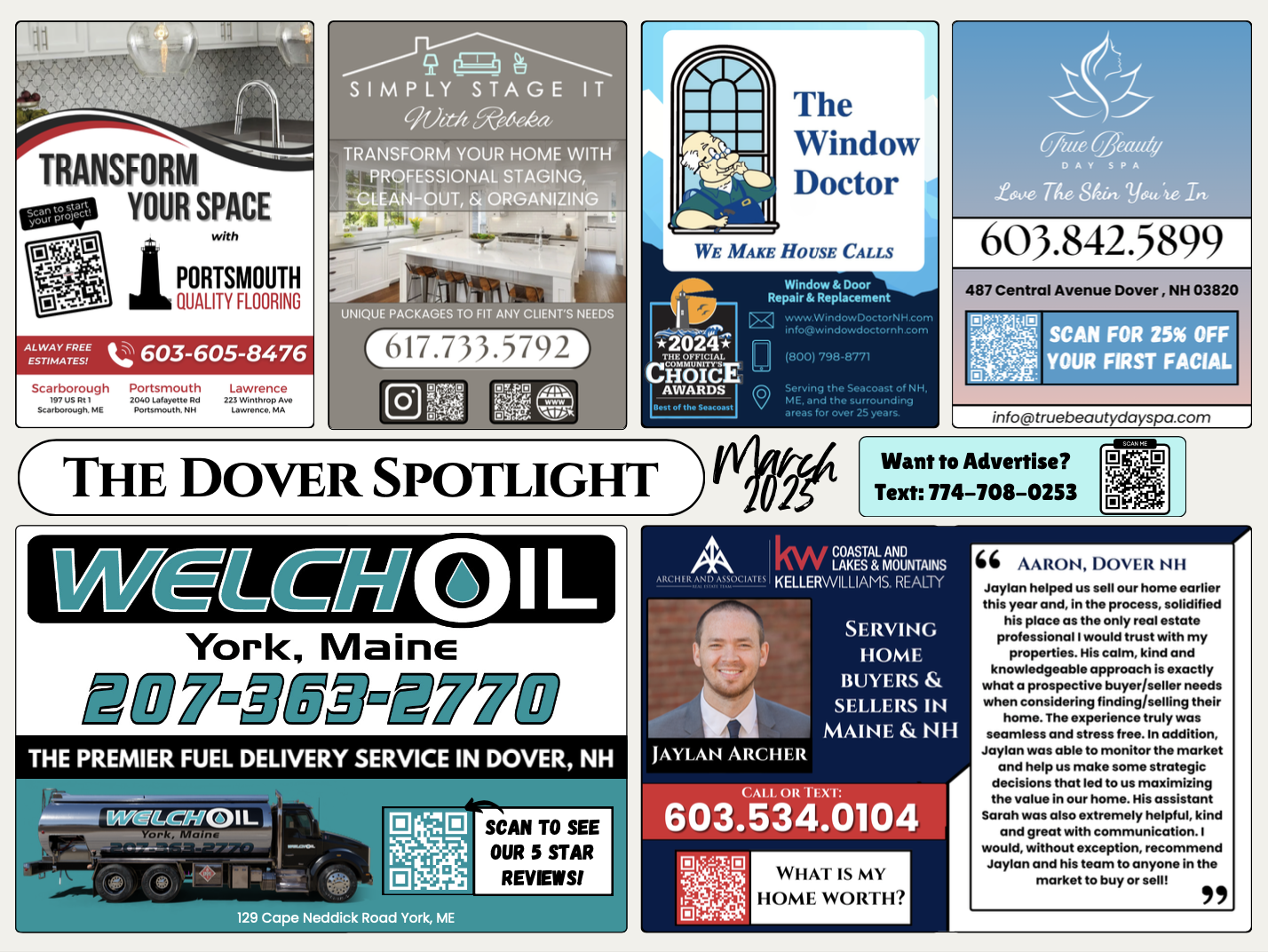
Now stack them together:
That's $18,000 a month mixing and matching card types. Some operators lean heavier on community cards because they fill fast and the lower price point means fewer objections on the sales call. Others stick to the big 9x12s for the higher per-card profit. You figure out what works for your market.
Tier 5: Agency mode ($20K+/month)
I'll be honest — this tier isn't for everybody, and I don't think it needs to be. But some operators have taken this thing and turned it into a full-blown agency.
Inacio over at MoolaMailers.com is a great example. Multiple markets, hired help, four or more cards running at once. Michael Hager is filling 10 slots by noon on his 4th card, running seasonal campaigns. These aren't people with special advantages. They just kept doing the thing.
At this point you're hiring VAs for outreach, you've got design handled, your systems are dialed. Full transparency — I do teach all of this inside the community, including the scripts, templates, and coaching calls. But you don't need the community to get to tier 1 or 2. I've seen people fill their first card with nothing but this blog and some guts.
Where your time actually goes
One of the most common questions I get about this direct mail side hustle is "what do you actually do all day?" Here's the honest breakdown:
Look. Seventy percent of your time is talking to people — finding businesses who want to advertise and following up with the ones who said "maybe." That's the job. If you hate talking to people, this business is going to be tough. Simple but not easy.
The top outreach channels, in order:
- Facebook Groups — this is the #1 channel by far. Find local business groups and start building relationships.
- Cold email — use Lead Scout to pull contacts, then send personalized emails. Peter Mathieu got his first sale from 4 cold emails.
- Cold calling — old school, still works. Especially for home service businesses.
- Door-to-door — walk into local shops, introduce yourself, show the card mockup.
- Referrals — after card one, your existing advertisers start sending you new leads.
Design and fulfillment is the easy part. Either you use a template or you work with our team at print.9x12method.com and they handle the printing, packaging, and USPS drop. Admin is invoicing, collecting payments, tracking your pipeline in the CRM. Nothing glamorous.
"Is this too good to be true?"
I get this one a lot. And honestly, I get it. When someone tells you that you can make $5,000+ a month with no upfront capital, no inventory, and no special skills — it sounds like every other internet scam.
Here's the thing. Direct mail has been around since before the internet existed. USPS EDDM is a real government program anyone can use. Local businesses spend money on advertising every single day. None of this is new or revolutionary. The only "innovation" here is that I figured out you could sell shared ad space on one big postcard and make the math work for everyone.
It is that simple. But simple is not the same as easy.
The hard part is the selling. It's picking up the phone when you don't feel like it. It's hearing "no" fifteen times before you get a "yes." It's sending fifty emails and getting three replies. It's showing up to a business at 8am with a mockup and a smile when you'd rather be sleeping.
I'm nothing special. I'm a regular guy who figured out a simple business model and got to work. So if you're nothing special too, then you might be special for this business.
Real people hitting these numbers
I don't want you to take my word for any of this. Here are real members from the community — 2,800+ people strong — who are doing this right now.
- Michelle Landry — 7 yeses in 48 hours. Not a salesperson by trade. Just followed the process.
- Sharina Grimes — Stay-at-home mom. 6 sales in 3 days, all before 7:30am while her kids were still sleeping.
- Michael Hager — 10 slots filled by noon on his 4th card. Running seasonal campaigns now.
- Peter Mathieu — First sale in 2 minutes from 4 cold emails. Two minutes.
- Me (Mitch) — $5K my first month while working my day job. $10K my second month. Nothing fancy. Just outreach.
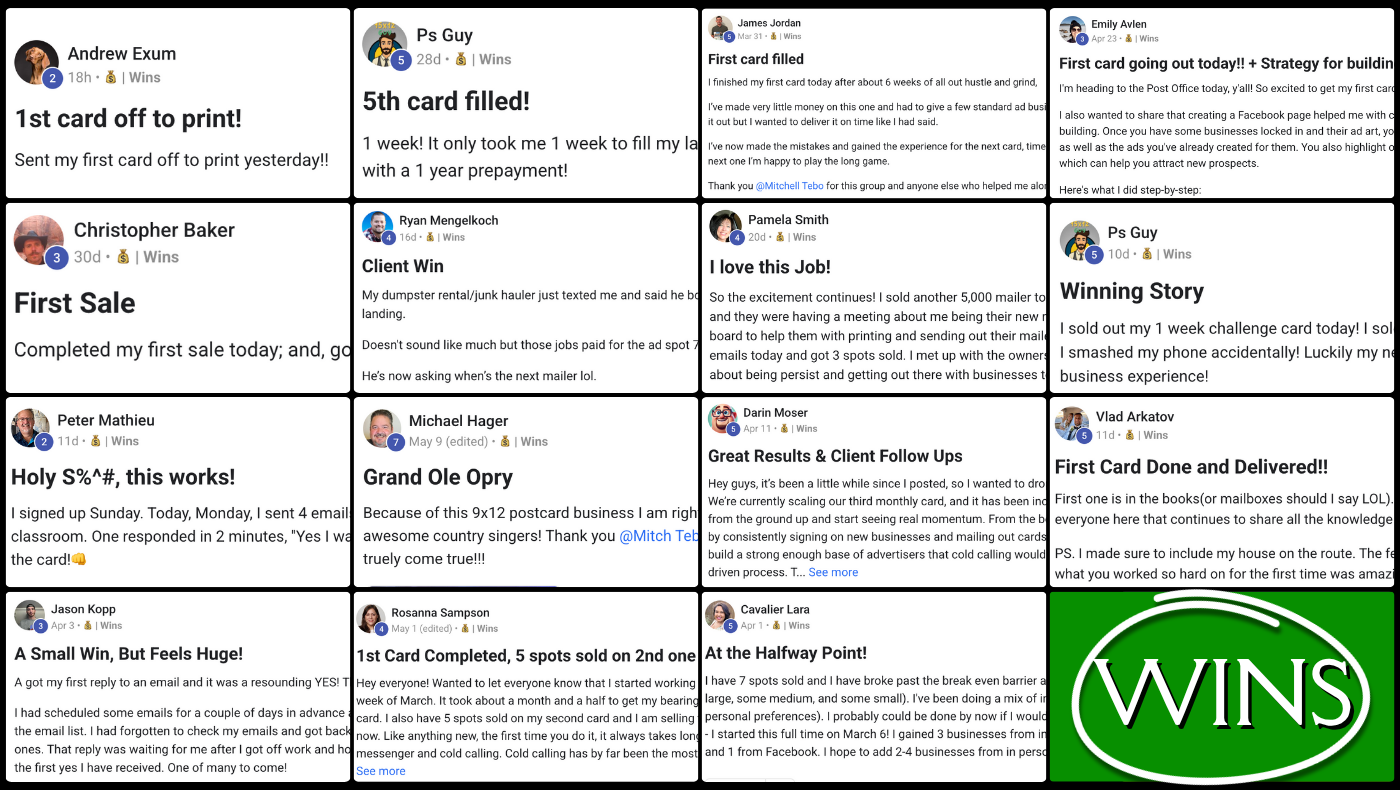
That collage is just a fraction of it. These are real screenshots from real people. Nobody's flexing a Lambo. They're posting their Stripe notifications, their filled cards, their first sales. Regular people making real money.
Full transparency — a lot of these folks are inside the community where we do weekly coaching calls, share scripts, and hold each other accountable. Does the community help? Yeah, it speeds things up. Do you absolutely need it? No. I've been clear about that from day one.
My honest path — what actually happened
I think it's only fair I share my own numbers since I'm asking you to trust these tiers.
I started the 9x12 postcard side hustle while working a full-time job. I didn't quit my job first. I didn't have a safety net. I just started making calls after work and on weekends.
Month one: $5,100. One card. It took me the full 30 days and I wanted to quit about halfway through. Honestly, I almost did.
Month two: $10,200. Two cards. The second one filled way faster because I could show the first finished card as proof. Referrals from card one were already coming in.
By month three I was seriously doing the math on quitting my day job. By month six I was running this full-time and building the tools and community that exist today.
The hardest part of this entire business is the gap between "this sounds too good to be true" and "oh wait, it actually works." You just have to survive that gap.
I'm not going to tell you it's going to be the same for you. Maybe it takes you 45 days for card one instead of 30. Maybe you don't hit tier 2 for four months instead of three. The timelines vary. The math doesn't. One card is still $5,100. Every time.
How to get started today
If you've read this far and you're thinking "okay, I want to try this" — here's what I'd actually do.
- Pick a town. Ideally somewhere you live or know well. Population 10,000–50,000 is the sweet spot.
- Build a prospect list. 50 local businesses in home services, food, fitness, dental, auto — use Lead Scout or just Google.
- Start reaching out. Facebook Groups first, then cold email. Use a simple pitch: "I'm putting together a community mailer going to 5,000 homes — want a slot?"
- Get your first 16 yeses. Collect $500 per slot. You now have $8,000 in the bank.
- Send to print at print.9x12method.com. They handle the rest — design layout, printing, packaging, USPS drop.
That's it. It is that simple. Simple but not easy. But doable? Absolutely. People with zero sales experience are doing this every single day.
Frequently Asked Questions
How much does a 9x12 postcard side hustle realistically make?
One card per month nets you $5,100 in profit. Two cards puts you at $10,200. Three cards is $15,300. These numbers are consistent because print + fulfillment is a flat $2,900 through print.9x12method.com and each card brings in $8,000 in revenue from 16 slots at $500 each. The variable is how quickly you can sell the slots — not the math itself.
Do I need money upfront to start?
No. Zero. You collect all $8,000 from your advertisers before you pay for anything. The business funds itself. There's no inventory, no product to buy, no franchise fee. You need a phone, an internet connection, and the willingness to talk to local business owners.
How long does it take to fill my first card?
Plan for about 30 days. Some people do it faster — Peter Mathieu closed his first sale in 2 minutes — but the average first card takes a full month. The key number is contacts: you'll need to reach out to 50–100 businesses to close 16 slots. After your first card, the second one fills significantly faster because you have proof and referrals.
Can I do this while working a full-time job?
Yes, and most people do exactly that. Tier 1 (one card per month) takes about 10–15 hours per week. I did my first two months while working my day job full-time. The trick is batching your outreach into mornings, lunch breaks, and evenings. Most of your communication is email and Facebook messages anyway, so you don't need to be making calls during business hours only.
What's the difference between a 9x12 card and a community card?
A 9x12 card is the big format — 9x12 inches, 16 slots at $500 each, $8,000 revenue, $2,900 print cost, $5,100 profit, mailed to 5,000 homes. A community card is smaller — 6" x 11", 16 slots at $250 each, $4,000 revenue, $1,400 print cost, $2,600 profit, mailed to 2,500 homes. Community cards fill faster (about 2 weeks vs 30 days) and are easier to sell because of the lower price point. Most operators run a mix of both.
Do I need to join the community to make this work?
No. Full transparency — I built the community and I think it helps a ton. You get scripts, templates, weekly coaching calls, and 2,800+ other operators to learn from. But plenty of people have filled their first card with nothing but free info. The community speeds things up and gives you support, but the business model works regardless. Don't join until you've done your research and you're sure this is something you want to pursue.
Whether you end up at tier 1 or tier 5, the math works the same way. One card, one set of numbers, one process. You just decide how many times you want to repeat it.
I'm nothing special. I just kept going when it got hard. And if that sounds like something you could do too — I'm rooting for you.
As always, I'm rooting for you. Peace.
Ready to start your 9x12 business?
Join the 9x12 Method community for scripts, templates, coaching calls, and a group that celebrates every win — even your first one.
Course + community included · Cancel anytime · Full transparency: you don't need this to start
More from the blog
Side Hustles for Introverts That Actually Pay
Hey, real talk. I am an introvert. I do not love cold calling, I do not love knocking on doors, and I built a business that makes real money anyway. So when I…
Small Town Business Ideas That Actually Work
Hey, real talk. Most business advice on the internet is written for people in big cities, and it quietly assumes things that are just not true where you live…
Boring Business Ideas That Actually Make Money in 2026
Hey, real talk. Everybody is freaking out about AI right now. Every video, every podcast, every guy on the internet is telling you to build an AI wrapper or a…